
What Freedom Looks Like, Ten Years Later
John Pace, Associate Director of Reentry and Engagement
As one of the worst snowstorms in years bore down on Philadelphia and much of the country, I found myself meeting with a friend who, like me, had once been sentenced to die in prison for a crime committed as a child. The air was bitterly cold, the streets already quieting in anticipation of the storm. I decided to pick him up as he walked through the freezing cold. He shared with me that he was coming straight from a job—repairing something in someone’s home. In that moment, a deep sense of reflection and gratitude washed over me.
That gratitude was rooted in a single decision—the U.S. Supreme Court’s landmark ruling in Montgomery v. Louisiana. By holding that Miller v. Alabama must be applied retroactively, the Court recognized that children are different from adults and capable of growth and transformation. In doing so, it opened the door for thousands of us—once condemned to die in prison—to be resentenced and, in many cases, to come home.
A decade later, the Montgomery v. Louisiana decision has been vindicated in the lives of those it impacted. The Supreme Court’s recognition that children are capable of growth and change has proven true not in abstraction, but in reality. Men and women once deemed irredeemable have returned home and are living stable, productive lives—as parents, workers, mentors, and community leaders. Their success affirms that justice grounded in humanity strengthens, rather than endangers, our communities.
For me, Montgomery was not simply a legal ruling; it was the opportunity to be seen for who I had become, not only for what I had done as a child. After more than three decades of incarceration, I stood before a court that finally had the authority to consider my growth over time. When I was resentenced and ultimately released, reentry was not without its challenges. Yet like many others who benefited from Montgomery, I returned home determined to contribute—to work, to serve, and to live a life that reflected accountability, growth, and purpose.
As we mark the tenth anniversary of Montgomery v. Louisiana, its legacy is best understood not through legal doctrine alone, but through human outcomes. Men and women who once faced permanent incarceration for childhood offenses were granted resentencing hearings that recognized their growth, development, and humanity. After years—often decades—of waiting, many have returned home and are now thriving. Their lives affirm a simple but profound truth: when the justice system allows room for transformation, people rise to meet it.
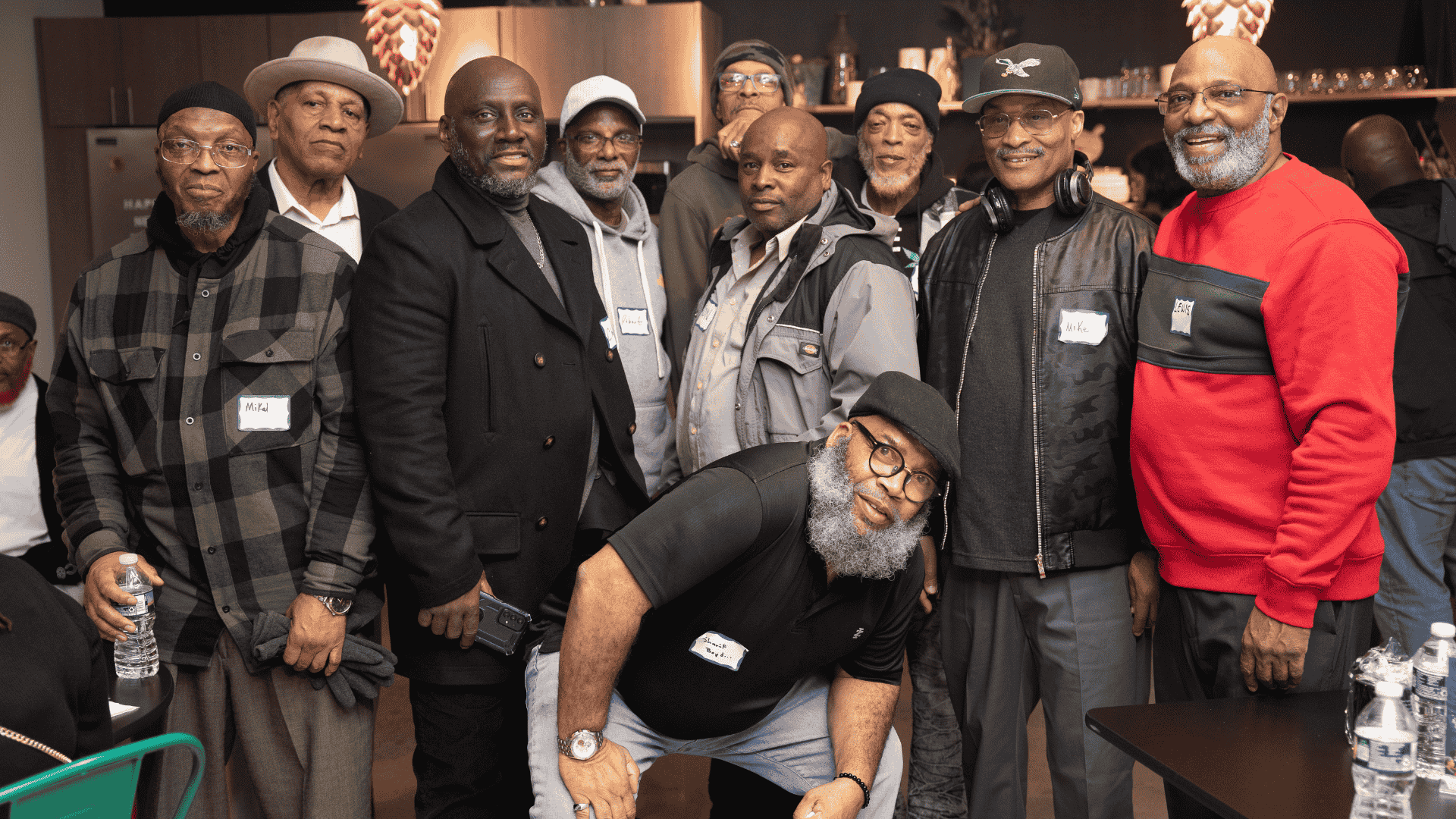
The Juvenile Lifer community at the 2024 Montgomery Celebration
